
 07 Dec 2012
 Posted by roch
Most of the guys I train with use gels for nutrition while the are paddle training but I dont see how a few gels can be enough on a 3 hour paddle session. I feel like I’m the only one out there who is thinking about nutrition. This stuff was always a focus when I used to do triathlon but nobody in the paddling world seems to feel that it is important. . - Anonymous, OR
We’re guessing that you’re not the only one who’s still trying to get your nutrition dialed in. Training is not only about the physical training but practicing absolutely every aspect of SUP racing you can think of – including nutrition.
Your first job is to determine how many calories you can absorb while working aerobically. Most 150-pound males working aerobically can absorb between 250 and 275 calories per hour. Elite athletes and athletes who train their nutrition system (yes – the pros train themselves to handle more calories) can go much higher. Many of them can assimilate 325+/hour. You need to determine how many you can handle. Stated another way, you are not limited by how many calories you burn over the course of the day, or what you consume, but by how many calories you can ABSORB and HANDLE while working aerobically. Many athletes who try to push this number higher without training wind up with GI distress. Diarrhea, cramps, and gas wont help your paddling.
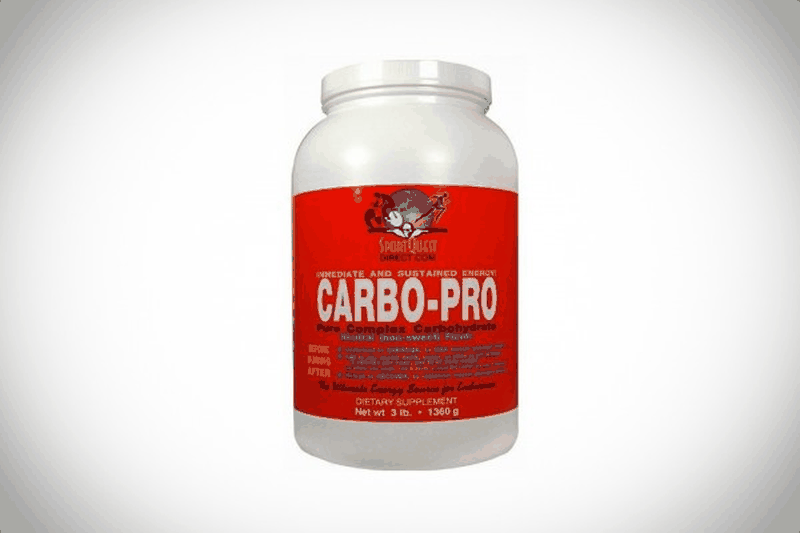
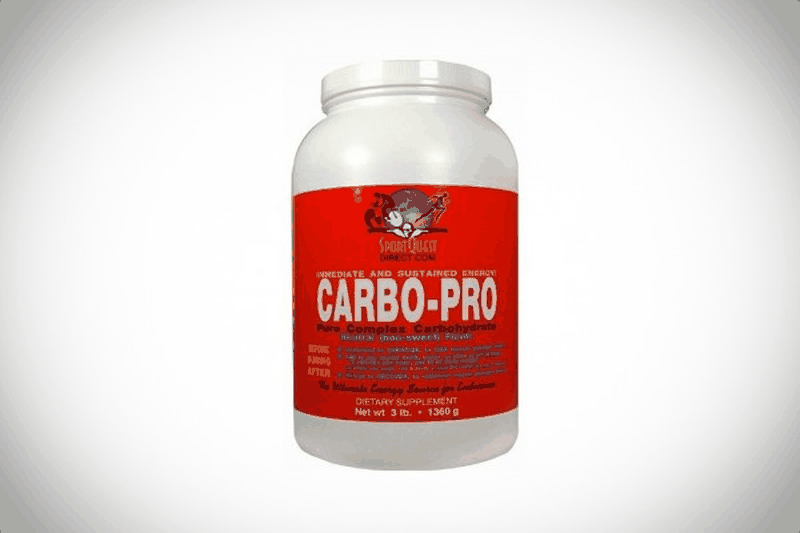
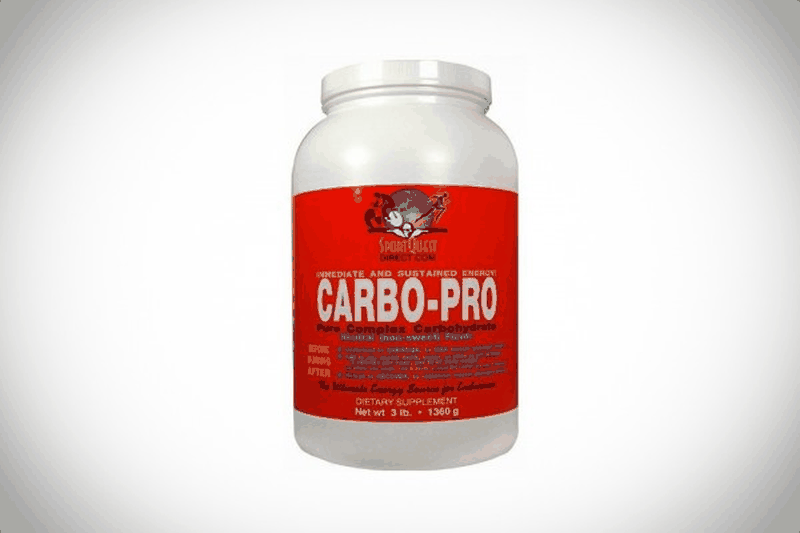
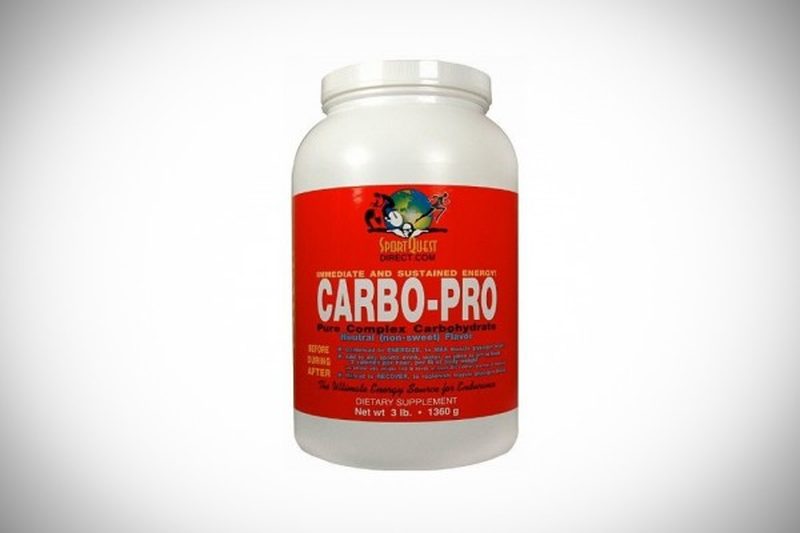
Once you’ve determined how many calories you can effectively absorb while working aerobically, your next task is to determine in what form these calories will be. Our general rule of thumb is, “If it tastes OK in training, chances are it won’t work in a race. If it tastes GREAT in training, in MIGHT work in a race.” Remember, racing situations greatly magnify the taste of food and drink preparations. That said, the best source of calories in and SUP race is the one that you can get down and keep down. The reason we like maltodextrin based drinks (such as Carbo-Pro) is that it’s a tasteless carbohydrate that can be mixed according to your own requirements.
For example, based on your training, you’ve determined that you can comfortably absorb 300 calories per hour when working aerobically. You also estimate that the SUP race will likely take you 4-hours (give or take 30-minutes). This means that you need to have 300 calories x 4 hours = 1200 calories available during the ride. Think about the logistics of carrying all of this.
The one thing you do not want to do is to go willy nilly with mixing carbohydrate in your drink. You need to be cognizant of the “osmolality” in your water bottles. If you push things too far you will have too many molecules of carbohydrate in your water bottle..and then your gut. This will result in diarrhea and GI distress. Follow the label on your energy drink very closely. Do not go overboard.
With maltodextrin based drinks you can safely get about 400 calories per bottle. The problem is that you cannot just down a gel on top of this. That is the equivalent of putting more powder in your bottles. Your osmolality will be wonky and you will draw water into your gut. Gels are highly concentrated and must be offset with additional water.
The bottom line with all of this is that your water intake is as important as your calorie intake on a long paddle. In order to get 1200 calories in, without disrupting your fluid balance you are going to need at least 4 water bottles. On a hot day you better get in 4-6 to account for additional fluid loss while racing.
Calories are not everything. In most cases your sports drink will take care of your electrolyte needs but on an extremely hot day, you should consider a buffered salt tablet (Thermolyte, Thermotab, Succed, E-cap, etc.).
Finally, in the days immediately preceding the race, don’t load up only on water. Over hydration can throw off your electrolyte status before you even toe the line. We suggest drinking water with your meals but, if you’re going to carry a bottle around in the final days before the race and drink incessantly, do so with a fluid replacement drink (Gatorade, etc.) so that you’re including some carbohydrate (carbo loading) and sodium to keep your electrolyte balance in check.
Roch and Huddle